
Product photography isn’t just about taking nice pictures of your products—it’s about showing them in a way that builds trust, reflects your brand, and helps customers make confident buying decisions. But how do you know if the images you’re using are actually good enough? That’s where evaluation comes in.
Evaluating product photography means looking at both the technical quality (clarity, colour, lighting, detail) and the creative side (brand consistency, emotional impact, storytelling). As a brand owner or marketing manager, you don’t need to be a photography expert to do this—you just need to know what to look for.
In this guide, we’ll walk through the key things that make product photography effective, from sharpness and colour accuracy to retouching and brand alignment. By the end, you’ll know how to judge whether a product image really works for your business—or if it’s time to ask for something better.

Key Takeaways
- Product photography should clearly represent your product and match your brand’s visual identity.
- High-quality images require sharp focus, accurate colours, and consistent lighting.
- Retouching is important for polish, but photos should never look fake or over-edited.
- Strong product photos connect emotionally with customers, not just visually.
- Evaluating photography means balancing technical precision with creative storytelling.
- Consistency across all platforms builds trust and brand recognition.
What Is Product Photography?
Product photography is about creating high-quality, accurate, and appealing visuals that not only inform but also persuade. Whether it’s a simple white-background packshot or a creative lifestyle image, the goal is the same: to make your product stand out and encourage sales.These images are used on e-commerce sites, catalogues, social media, advertisements, and packaging to help customers understand what they’re buying.
Good product photography does more than just display an item. It:
- Shows the product’s true colours, shape, and details so customers know exactly what to expect.
- Highlights quality and craftsmanship, making the item feel more valuable.
- Reflects your brand’s identity through style, lighting, and composition.
- Builds trust by giving shoppers confidence in what they’re purchasing.
Establishing Your Brand’s Vision and Photography Goals
A successful product photography project begins long before a camera is ever pointed at your product. It starts with a clear understanding of your brand’s vision and the specific goals you have for your product photography. This section will guide you through the process of defining these crucial elements.

Defining Your Brand’s Identity and How It Translates into Photography
- Brand Identity Basics: Delve into what makes your brand unique — your values, personality, and the emotions you want to evoke in your customers.
- Visual Language: Understand how these brand elements translate into visual cues. For example, a luxury brand might prefer minimalist and elegant imagery, while an eco-friendly brand might lean towards natural and earthy visuals.
- Consistency is Key: Ensure that your product photography aligns with other brand visuals, like your logo, website design, and packaging, to create a cohesive brand experience.
Setting Clear Objectives for Product Photography
- Purpose of the Images: Define what you want to achieve with your product photos. Are they for an e-commerce site, social media, print advertising, or catalogues?
- Target Audience Appeal: Consider how your photography can appeal to your specific target audience. What kind of imagery resonates with them? Is it lifestyle shots, detailed close-ups, or creative abstracts?
- Measurable Goals: Establish measurable goals for your photography. This might include increasing online engagement, boosting e-commerce conversions, or enhancing brand recognition.
Key Attributes of High-Quality Product Photography
When you’re reviewing product photos, there are a few core qualities to look for. These aren’t about technical jargon—they’re about how well the image shows off your product and represents your brand.
Clarity and Detail
Good product photos should be sharp and focused. You should be able to see textures, finishes, and small details clearly. Blurry or unclear images can make products feel cheap or low quality.
Colour Accuracy
The colours in your photos need to match the product in real life. If a customer buys a red item and it turns out orange, trust is lost. Consistent colour across your website, catalogues, and ads is also key to keeping your brand image strong.
Composition and Framing
The way a product is positioned in the frame matters. A clean, balanced composition draws the eye straight to the product. Watch for clutter, distracting props, or awkward cropping that can take attention away from what you’re selling.
Lighting
Lighting should make your product look its best. The right setup highlights shape, texture, and detail without harsh shadows or blown-out highlights. A well-lit product photo feels natural and trustworthy.

Assessing the Impact and Appeal of the Photograph
Technical quality matters, but the real test of a product photo is whether it connects with your audience. When evaluating images, think beyond sharpness and lighting—ask yourself how the photo makes people feel and whether it reflects your brand.
Emotional Resonance
A strong product photo should spark a reaction. Does it feel luxurious, playful, energetic, or trustworthy—depending on what your brand stands for? If the image doesn’t stir the right emotion, it won’t influence buying decisions.
Brand Alignment
Photos should look and feel like your brand. The style, tone, and mood need to match your logo, website, packaging, and advertising. Consistency builds recognition and trust—mismatched images can confuse customers or weaken your brand identity.
Storytelling
The best photos do more than show a product; they tell a story. A watch photographed on a marble desk suggests sophistication, while the same watch on a hiking trail signals adventure. Story-driven images help customers imagine how your product fits into their life.
Context and Setting in Product Shots
Where and how a product is photographed has a big impact on how customers see it. The right background can highlight your product, while the wrong one can distract or even mislead.
Relevance and Authenticity
The setting should feel natural for the product. For example, outdoor gear works best photographed in a rugged landscape, while luxury cosmetics may shine against a sleek, minimal backdrop. The background should support the product’s story, not compete with it.
Lifestyle Representation
Lifestyle photography adds context by showing the product in use. This helps customers picture it in their own lives—whether it’s a coffee mug on a breakfast table or a handbag styled as part of an outfit. Authentic, relatable settings make products more desirable.
Consistency Across Shoots
If you’re building a brand library of images, consistency is important. Using similar tones, settings, and visual styles ensures your product photos work together across your website, ads, and social media.
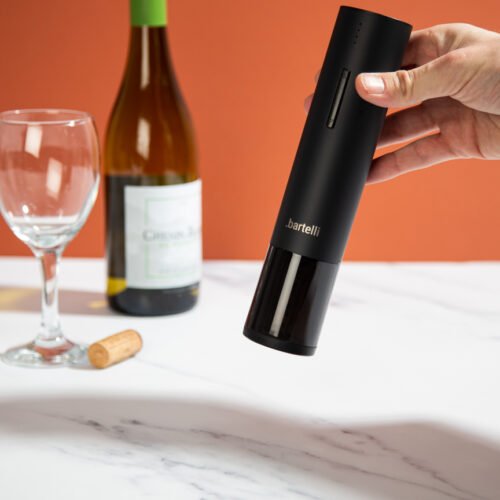
Evaluating Technical Excellence and Creative Flair
Strong product photography is a mix of technical skill and creativity. When reviewing photos, look for both precision and originality.
Technical Precision: Focus, Exposure, and Sharpness
A professional product photo should be clear, well-lit, and true to life. Check that the main features of the product are sharp and visible. Colours should match the real product, textures should be easy to see, and there shouldn’t be distracting shadows or overexposed areas.
Creative Elements: Angles and Storytelling
Beyond technical accuracy, creative choices can make a product photo stand out. Unique camera angles, thoughtful composition, and the use of props or backgrounds can add personality and storytelling to the image. This is what makes a product look not just accurate, but desirable.
Striking the Right Balance
The best photos combine both. They showcase the product clearly while adding enough creativity to catch the customer’s eye and align with your brand’s style.
Post-Production Quality
What happens after the shoot is just as important as the photos themselves. Editing and retouching can polish an image, but they should never distort the truth about your product.
Recognising Professional Editing
Good editing is subtle. It corrects colour, adjusts brightness and contrast, removes small dust or scratches, and ensures the product looks clean and appealing. The goal is to enhance the image without making it look fake or over-processed.
Spotting Over-Editing
Be wary of photos that look too perfect. Over-editing can make colours look unrealistic, blur textures, or hide important details. This can mislead customers and lead to disappointment when they receive the actual product.
Staying True to the Product
High-quality post-production should always respect the integrity of your product. The final image should be polished, professional, and consistent across all your marketing channels—but still an accurate reflection of what the customer is buying.

Communication and Collaboration with Photographers
Strong product photography doesn’t happen by chance—it’s the result of clear communication and teamwork between you and your photographer.
Sharing Your Vision
Start with a detailed brief. Include your brand guidelines, reference images, and notes on the mood or style you’re aiming for. The more clarity you provide, the easier it is for the photographer to capture images that reflect your brand identity.
Giving Feedback Effectively
When reviewing photos, be specific about what works and what doesn’t. Instead of saying “I don’t like this shot,” explain what feels off—maybe the lighting doesn’t match your brand’s tone, or the angle hides an important feature. Constructive feedback helps refine results.
Building a Long-Term Partnership
Think beyond a single shoot. The best results come from an ongoing relationship where the photographer understands your products, values, and goals. Regular check-ins and open dialogue allow both sides to bring ideas to the table, leading to stronger, more creative outcomes.
Are you ready to give it a try with your own product photos? Contact our friendly team at Kalory and we will be happy to assist you with the visual representation your products deserve!
FAQ
What makes good product photography?
Good product photography is clear, sharp, and shows accurate colours. It highlights important details, uses balanced lighting, and makes the product look appealing without misrepresenting it.
How do I evaluate product photos for my online store?
Check that the images are consistent in style, true to colour, and high enough resolution for zooming in. Photos should look professional and align with your brand’s identity.
How can I tell if my product photos match my brand?
Think about your brand values and target audience. If your brand is premium, your photos should feel clean and elegant. If it’s more casual, warmer tones and lifestyle settings might work better.
What are the signs of bad product photography?
Signs include blurry images, harsh shadows, poor colour accuracy, or inconsistent styles across your listings. Bad photos can make products look cheap and reduce customer trust.
Should I hire a professional product photographer or do it myself?
You can start with DIY if budget is tight, but professional photography usually pays off. High-quality images build trust, reduce returns, and often lead to better sales performance.
How much editing is okay in product photography?
Basic retouching like colour correction and removing dust is fine. Over-editing that changes the product’s true appearance can lead to disappointed customers and returns.